Layered Safeguards: Verification Sequences, Transaction Routes, and Status Ascents in Handheld Poker Circuits
Casey Simmons · Aug 11, 2026
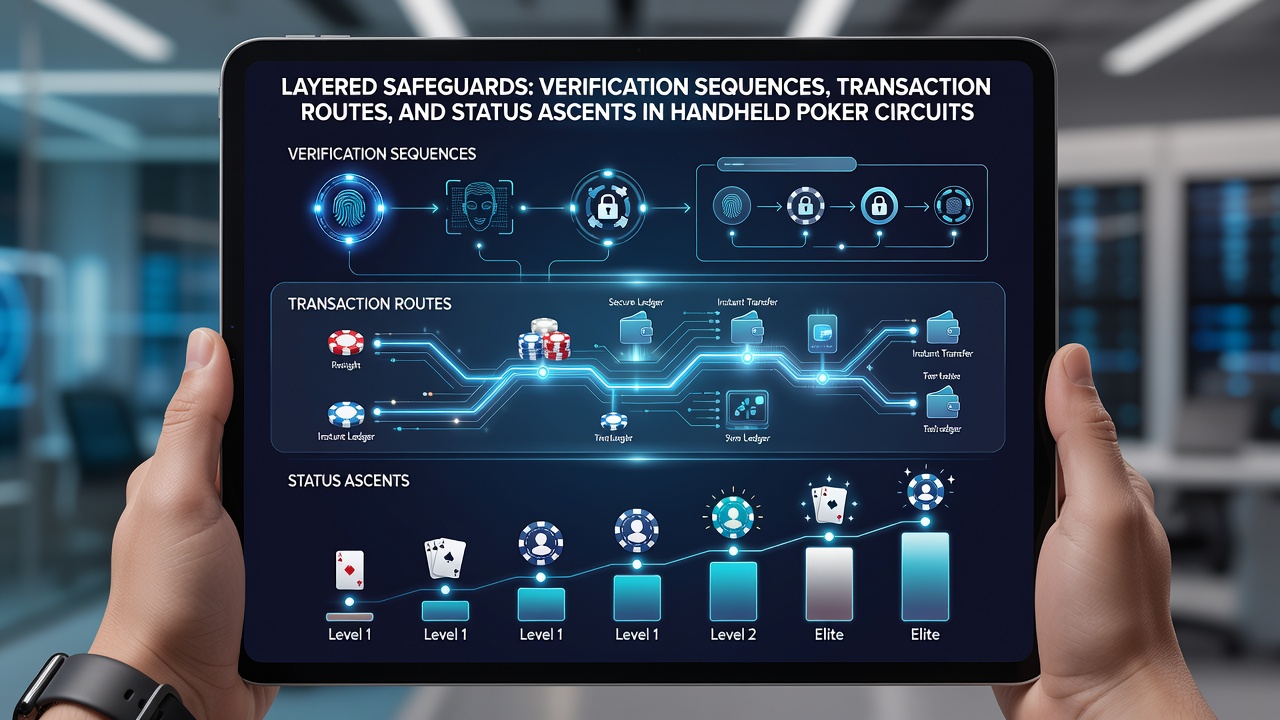
Layered Safeguards: Verification Sequences, Transaction Routes, and Status Ascents in Handheld Poker Circuits
Handheld poker circuits operate through structured layers of protection that manage user verification, payment flows, and progression through reward tiers, and these mechanisms have gained attention as mobile platforms expand their reach in 2026. Observers note that verification sequences form the initial barrier where operators collect identification details, cross-reference data against regulatory databases, and confirm account legitimacy before any gameplay begins. Research from the Nevada Gaming Control Board indicates that such processes reduce unauthorized access incidents by aligning with standards that require real-time document uploads and biometric confirmation on smartphones.
Transaction routes follow distinct channels that separate deposits from withdrawals while embedding encryption protocols at each stage, and these pathways often integrate with third-party processors to maintain compliance across jurisdictions. Data from the European Gaming and Betting Association shows that operators route funds through monitored gateways that log every movement, allowing for rapid detection of irregular patterns in August 2026 reporting periods. Players encounter these routes during signup when selecting payment methods that trigger additional confirmation steps, and the system then directs transactions along predefined sequences that prioritize speed without compromising audit trails.
Verification Sequences and Their Role in Account Security
Verification sequences in handheld poker applications typically unfold across multiple stages that begin with basic profile completion and advance to advanced identity checks, and experts have observed that this layered approach accommodates varying regulatory demands from different regions. One common sequence requires users to submit government-issued identification alongside a selfie capture, after which automated systems compare facial features and document details before granting access to cash games or tournaments. Those who have studied mobile gaming trends note that additional layers activate for higher transaction volumes, prompting manual reviews or secondary verifications that extend the timeline but strengthen overall circuit integrity.
Operators implement these sequences to align with anti-money laundering requirements, and figures from industry reports reveal that completion rates improve when interfaces guide users through clear prompts rather than abrupt demands. In practice, a user might upload a passport photo that triggers an instant database match, followed by a short delay for human oversight if discrepancies appear, and this process ensures accounts reach active status only after full clearance.
Transaction Routes That Maintain Flow and Oversight
Transaction routes in smartphone-enabled poker environments connect users to banking partners through secure APIs that handle both incoming deposits and outgoing payouts, and these channels incorporate real-time monitoring tools to flag anomalies during peak activity periods. Payment gateways often segment routes by method type, routing credit card transfers along one path while cryptocurrency options follow another that includes blockchain verification steps before funds credit an account. Studies from academic institutions such as those published by the University of Nevada, Las Vegas have documented how these diversified routes reduce processing errors and support compliance audits conducted quarterly.
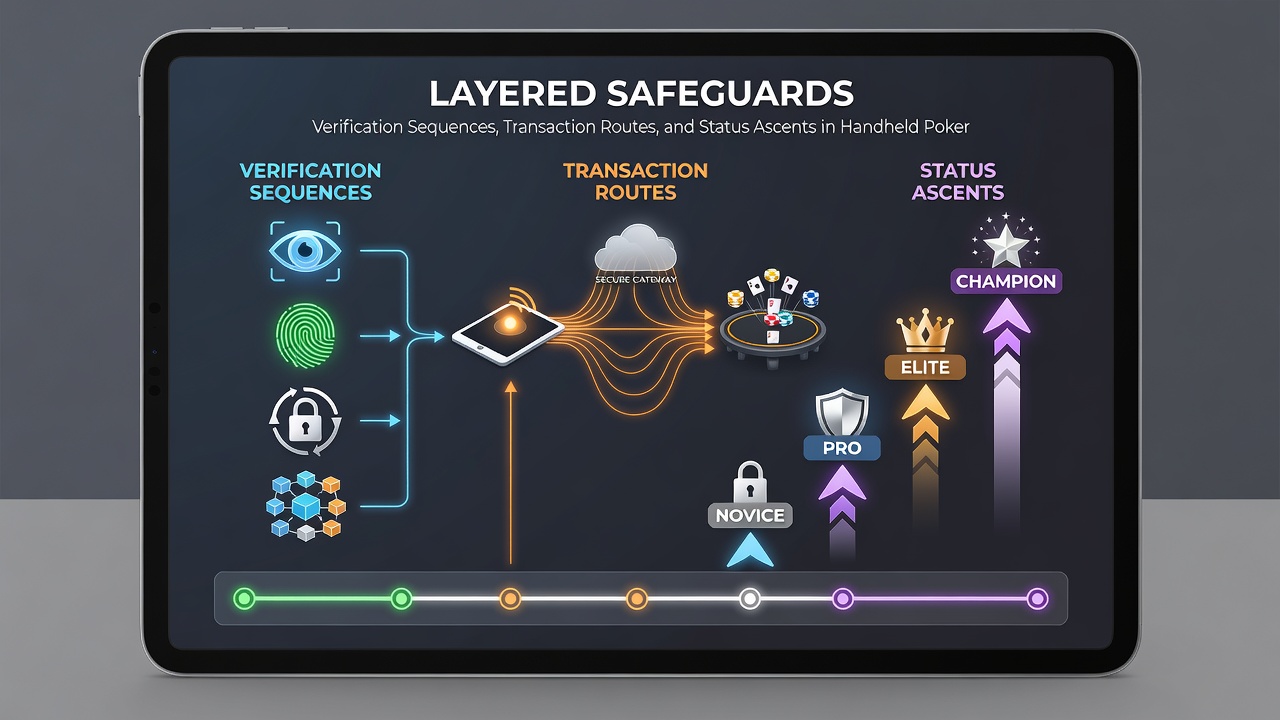
Status tracking within these routes provides users with updates at each milestone, and the system logs every handoff between processors to create an immutable record available for dispute resolution. Observers note that during high-volume events in August 2026, these routes scale by distributing loads across multiple servers, which prevents bottlenecks while preserving the layered checks that define handheld poker security.
Status Ascents Through Structured Loyalty Pathways
Status ascents occur as players accumulate activity metrics that unlock progressive tiers within loyalty programs, and these pathways integrate with verification and transaction data to determine eligibility for enhanced rewards. Operators track metrics such as total hands played, deposit frequency, and tournament participation, then apply algorithms that promote accounts through bronze, silver, gold, and platinum levels based on predefined thresholds. Research indicates that transparent progression rules encourage sustained engagement, and the ascent process often includes interim milestones that grant immediate benefits like fee waivers or priority support access.
Integration between status systems and earlier safeguard layers means that any verification renewal or transaction irregularity can pause an ascent until resolved, and this connection maintains consistency across the entire circuit. People who monitor industry developments point out that August 2026 updates have introduced mobile-specific notifications that alert users to their current standing and upcoming requirements, streamlining the path without reducing oversight.
Interconnections Among Safeguard Layers
The three primary elements of verification sequences, transaction routes, and status ascents function as an interconnected framework where data from one layer informs decisions in others, and this design allows operators to respond dynamically to emerging patterns in handheld poker usage. For instance, a completed verification sequence can accelerate transaction approvals along established routes, while consistent transaction history contributes points toward status elevation. Regulatory bodies across multiple regions require documentation of these interconnections, and compliance reports from 2026 demonstrate that integrated systems achieve higher audit pass rates compared to isolated processes.
Case examples from various circuits show that when verification flags trigger during a transaction attempt, the route pauses automatically until clearance, and the status ascent timeline adjusts accordingly to reflect resolved issues. Such coordination ensures that handheld poker circuits remain both accessible and protected as participation grows.
Conclusion
Layered safeguards in handheld poker circuits continue to evolve through refined verification sequences, optimized transaction routes, and measurable status ascents that together support secure mobile operations. Evidence from regulatory and research sources confirms that these structures adapt to increasing demand while upholding standards that protect participants and operators alike, and ongoing developments in August 2026 highlight their role in sustaining circuit reliability.