Mapping the Journey from Basic Play to Premium Benefits in App-Based Poker Competitions and Ring Games
Clara Simon · Jul 17, 2026
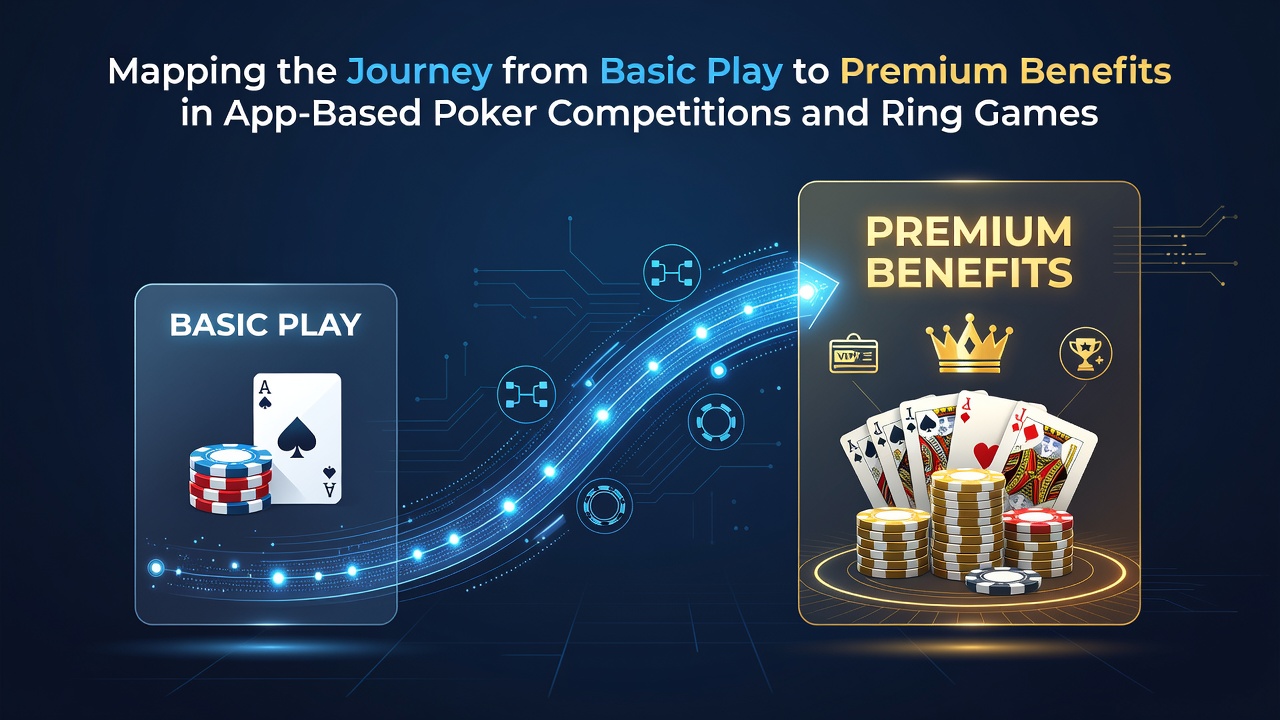
Mapping the Journey from Basic Play to Premium Benefits in App-Based Poker Competitions and Ring Games
App-based poker platforms structure player advancement through defined stages that begin with straightforward registration and extend into layered reward systems for both tournament fields and cash game tables, with observers noting how these pathways integrate deposit mechanics, rule compliance, and support access across handheld devices. Data from regulatory filings indicate steady growth in mobile participation, particularly as operators refine loyalty structures that reward consistent activity in competitions and ring games alike. Those who've tracked industry patterns see clear sequences where initial play establishes eligibility for escalating benefits without requiring complex navigation at the outset.
Entry Points and Foundational Mechanics
Players typically start by downloading an application and completing verification steps that confirm identity and location compliance, after which basic tables open for low-stakes ring games or entry-level tournament registration. Research from gaming authorities shows these onboarding flows emphasize mobile-optimized interfaces that guide users through rule acknowledgments and initial deposit options using familiar payment channels. Figures reveal that many participants begin with minimal commitments, testing cash game formats before entering structured events where blind structures and payout scales become relevant factors.
Support channels appear early in the process, often through in-app chat functions that address verification queries or transaction questions while participants remain in basic play modes. Analysts at institutions monitoring digital gaming note how these early interactions establish familiarity with platform protocols that later influence access to higher-tier features.
Deposits, Bonuses, and Mid-Level Advancement
Once basic engagement stabilizes, deposit pathways expand to include varied methods that trigger promotional credits applicable across both tournament buy-ins and cash game bankrolls. Industry reports highlight that bonus structures frequently scale with deposit volume, creating measurable progression markers tracked through player accounts. Data indicates participants who utilize these incentives see accelerated movement toward loyalty thresholds where additional perks activate.
Rule nuances at this stage cover wagering requirements and game-type eligibility, with operators applying consistent standards whether users compete in multi-table tournaments or session-based ring games. Observers note that mobile applications streamline these calculations through real-time displays, reducing friction during active play periods. What's interesting here involves how support teams coordinate with payment gateways to resolve holds or confirmations, ensuring continuity as stakes increase.
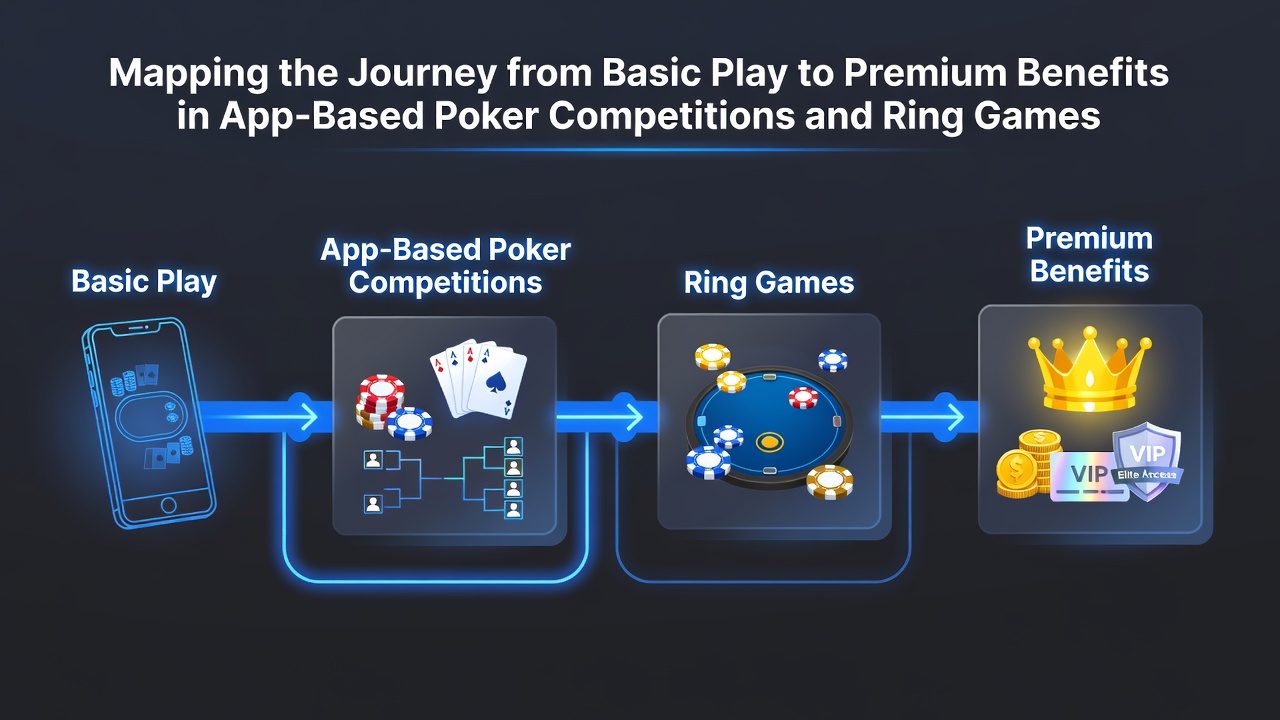
Loyalty Structures and Premium Tier Access
Loyalty programs organize advancement through point accumulation tied directly to rake generated in ring games or fees paid during tournament entries, with higher tiers unlocking benefits such as fee rebates, exclusive event access, and dedicated assistance lines. According to records maintained by bodies like the Nevada Gaming Control Board, these systems maintain transparent criteria that players can review within app dashboards. Studies compiled by research groups focused on digital entertainment document correlations between sustained activity and tier elevation across multiple operators.
July 2026 updates to several platforms introduced refined tracking for mixed-format participation, allowing points from both competition series and cash sessions to combine toward elite status. Those monitoring these shifts report enhanced mobile integration where notifications alert users to approaching milestones and associated rewards. Payment pathways at premium levels often feature expedited processing, while rule applications remain uniform yet allow for personalized scheduling of high-stakes events.
Security Protocols and Ongoing Support Integration
Throughout the progression, security frameworks govern account access, transaction verification, and data protection, aligning with standards set by regional regulators in markets such as those overseen by the Australian Communications and Media Authority. These measures apply equally to basic accounts and premium profiles, incorporating encryption and multi-factor elements that support uninterrupted play in app environments. Evidence from compliance audits shows consistent enforcement that protects both player funds and game integrity across tournaments and ring games.
Support structures evolve alongside tier status, moving from general chat to priority routing for VIP participants handling complex deposit or promotion inquiries. Reports indicate this layered assistance reduces resolution times as activity levels rise, maintaining operational flow during peak periods. Analysts emphasize how these elements interconnect with reward milestones, creating cohesive experiences from initial signup through sustained premium engagement.
Conclusion
The mapped journey in app-based poker illustrates systematic advancement where foundational play feeds into structured reward ecosystems, supported by deposit options, rule transparency, and mobile-optimized assistance. Available data underscores measurable pathways that operators maintain across competitions and ring games, with ongoing refinements evident in mid-2026 platform adjustments. Regulatory sources and industry documentation confirm these processes operate under established compliance frameworks that prioritize consistency and accessibility for participants at every level.