The Architecture of Advancement: How Account Setup, Payment Pathways, and Chat Support Influence Player Progression in Digital Card Competitions
Clara Simon · Nov 1, 2026
The Architecture of Advancement: How Account Setup, Payment Pathways, and Chat Support Influence Player Progression in Digital Card Competitions
Digital card competitions continue to expand in 2026 with structured systems that connect account creation, transaction channels, and live assistance to measurable player advancement. Observers note that registration sequences determine initial access speed while payment gateways and support interactions shape ongoing participation rates. Data from industry reports indicate that platforms streamlining these elements record higher retention across cash games and tournament circuits during peak periods such as November.
Account Setup Sequences and Entry Efficiency
Registration protocols in digital card platforms require verification steps that include identity confirmation, device linking, and preference selections before play begins. Researchers tracking user flows in late 2026 found that platforms completing these steps within minutes correlate with faster progression into ranked events and loyalty tiers. Those who studied onboarding patterns report that integrated mobile verification reduces drop-off rates compared to multi-stage desktop processes, allowing participants to enter competitive fields sooner. One analysis of platform metrics revealed that simplified sequences lead to quicker accumulation of initial play hours, which in turn unlocks early reward structures.
Payment Pathways and Transaction Velocity
Deposit and withdrawal mechanisms operate through multiple channels including bank transfers, digital wallets, and instant processors that platforms integrate directly into user dashboards. Figures from transaction monitoring services show that platforms offering same-day settlement options experience elevated activity levels during series such as the November 2026 schedules. Payment pathways influence progression because successful deposits trigger bonus eligibility and VIP point accrual without delay. Experts tracking these systems observe that seamless gateways reduce friction between funding and active competition, enabling continuous participation across multiple formats. Data indicates that regions with diverse processor availability maintain steadier player volumes through extended sessions.
Chat Support Integration and Issue Resolution
Live assistance features embedded in competition interfaces handle queries ranging from rule clarifications to transaction confirmations within defined response windows. Studies conducted by gaming research groups document that platforms maintaining 24-hour chat availability record fewer interruptions in player sessions. Support interactions frequently address verification delays or payment confirmations, directly affecting eligibility for ongoing events. Observers note that documented resolution times under five minutes align with sustained advancement metrics, particularly when users navigate complex promotion requirements. Australian regulatory summaries highlight how consistent support availability contributes to compliance adherence across international user bases.

Interconnected Systems and Cumulative Progression Effects
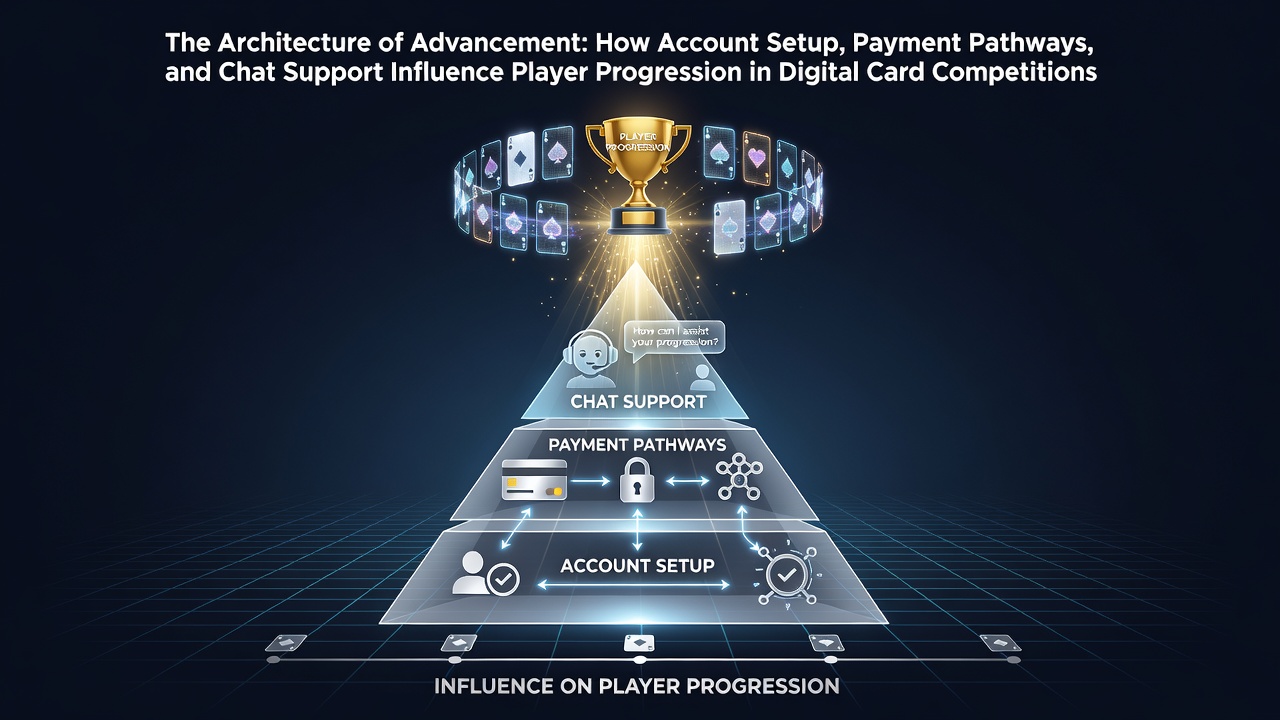
Account setup, payment channels, and support networks function as linked components rather than isolated features. Research from university-led examinations of online gaming ecosystems demonstrates that combined optimizations produce compounding benefits for long-term participation. A player completing registration quickly gains access to deposit options that immediately feed into reward calculations, while chat agents resolve any subsequent discrepancies before they halt momentum. Reports compiled in 2026 show these interconnections become especially relevant during high-volume periods when tournament fields expand and cash game traffic increases. Platforms coordinating these elements report measurable lifts in tier advancement statistics across user cohorts.
Regional Variations and Platform Adaptations
Regulatory frameworks in different jurisdictions shape how platforms configure these pathways. Canadian provincial oversight documents and European trade association summaries both track how localized payment preferences and support language options affect user retention. Platforms adapting account flows to regional verification standards maintain competitive positioning in November 2026 events. Those monitoring cross-border trends note that flexible payment integrations paired with multilingual chat reduce barriers for international competitors seeking consistent progression opportunities.
Conclusion
Account setup efficiency, payment pathway reliability, and chat support responsiveness collectively determine the rate at which participants advance through digital card competition structures. Evidence compiled from multiple monitoring sources confirms these operational layers influence session continuity, reward accumulation, and tier mobility throughout the calendar year. Platforms refining these connections sustain higher engagement levels, particularly amid expanding tournament calendars in late 2026.