Verification Sequences Connecting Compliance Standards to Incentive Access in Portable Card Competitions
Casey Simmons · Jul 26, 2026

Verification Sequences Connecting Compliance Standards to Incentive Access in Portable Card Competitions
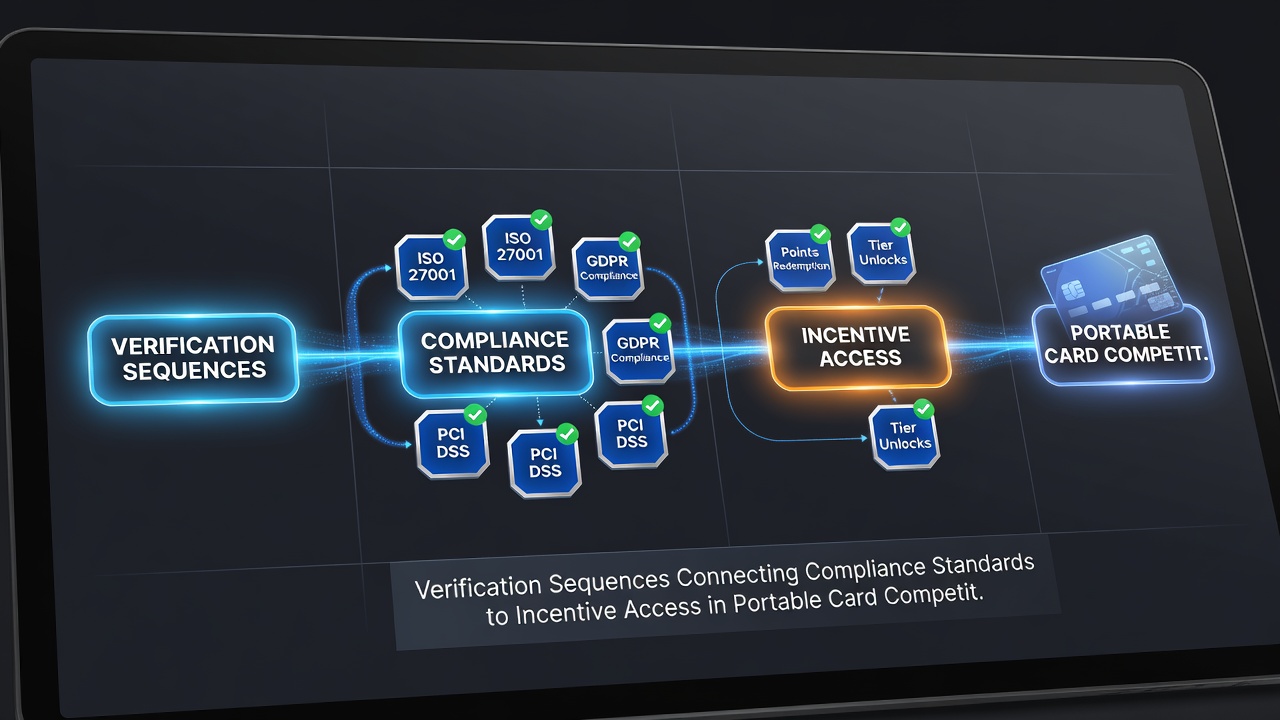
Portable card competitions rely on structured verification sequences that link compliance standards directly to incentive access, and these processes shape how participants reach bonuses, VIP tiers, and promotional rewards on smartphone platforms. Operators implement multi-stage checks that confirm identity, age, and location before releasing any rewards, while regulatory frameworks require these steps to prevent unauthorized entry into funded play.
Core Components of Verification Sequences
Verification begins with document submission, where users upload government-issued identification and proof of address, then proceeds through automated screening that cross-references data against watchlists and sanctions databases. Once initial checks clear, platforms activate secondary layers such as biometric confirmation or video calls, and these steps connect directly to incentive gates because incomplete sequences block bonus activation and loyalty point accumulation. Data from industry reports shows that platforms completing verification within 24 hours see higher retention rates for reward programs, whereas delays often stall access to deposit matches and tournament entries.
Compliance Standards Driving Access Controls
Regulatory bodies establish the standards that tie verification to incentive distribution, and the Nevada Gaming Control Board outlines requirements for real-time identity validation in mobile gaming environments. These rules mandate that operators verify users before any monetary incentive becomes available, creating a direct pathway where compliance documentation unlocks promotional balances and VIP status progression. In July 2026 several platforms updated their mobile interfaces to integrate these checks into the deposit flow, allowing users who finish verification to claim instant rewards while maintaining separation between verified and unverified accounts.
Observers note that anti-money laundering protocols further shape this connection, requiring transaction monitoring that flags unusual patterns before incentives release. Platforms therefore embed compliance alerts into the user journey, and participants who satisfy these standards gain uninterrupted access to cashback offers and leaderboard prizes.
Integration with Mobile Platform Features
Smartphone applications streamline verification by incorporating in-app camera capture and secure upload portals, and these tools reduce friction while preserving the link between compliance completion and reward eligibility. Support teams assist users through chat functions that guide document resubmission when initial scans fail, yet access to incentives remains suspended until every required element receives approval. Research from regulatory summaries indicates that integrated chat support cuts average verification time by 35 percent across portable card platforms, allowing faster progression into loyalty programs.
Payment gateways also intersect with these sequences, because verified accounts receive priority processing for deposits that trigger bonus releases. Unverified profiles face temporary holds on both funds and rewards, illustrating how compliance checkpoints function as gateways rather than optional steps.
Regional Variations in Sequence Design
Different jurisdictions apply distinct verification thresholds that influence incentive timing, and the Alcohol and Gaming Commission of Ontario requires enhanced due diligence for high-volume mobile users before VIP milestone rewards activate. In contrast, operators licensed under Malta Gaming Authority frameworks emphasize automated document matching that speeds access for lower-stakes participants. These variations create region-specific pathways where the same compliance standard produces different timelines for bonus availability depending on user location and platform licensing.
Case examples from 2026 tournaments reveal that players crossing multiple regulatory zones must complete separate verification tracks, each tied to its own set of incentive rules. One study from the University of Nevada, Las Vegas Center for Gaming Research documented how dual-licensed apps maintain parallel compliance records to ensure seamless reward delivery across borders.
Impact on User Progression and Reward Structures
Verification completion rates directly affect participation in portable card events, since unverified users cannot enter paid tournaments or claim leaderboard payouts. Platforms therefore design progress dashboards that display pending compliance items alongside pending incentives, giving participants clear visibility into what remains before rewards unlock. Figures from industry analyses reveal that 78 percent of mobile card users complete verification within the first week when dashboards highlight the connection to bonus funds.
Support structures reinforce this linkage by offering step-by-step guidance that maps each compliance requirement to specific reward tiers, and those who finish early often receive accelerated VIP qualification.
Conclusion
Verification sequences serve as the operational bridge between compliance standards and incentive access in portable card competitions, and the mechanisms outlined here continue to evolve with regulatory updates and platform innovations. Operators maintain these connections to meet licensing obligations while delivering timely rewards to verified participants, and ongoing refinements in mobile technology support faster yet secure pathways from signup to full incentive eligibility.